
A well-chosen suit says more with less effort than almost anything else in a wardrobe, but only if a handful of basics are right. Here’s what actually matters, beyond trend advice.
Fit over fabric, every time. An expensive fabric in a badly fitted suit still looks like a badly fitted suit. Shoulders are the hardest and most expensive part of a suit to alter, so that’s the one area where “close enough” isn’t good enough; everything else (waist, sleeve length, trouser break) can be adjusted afterwards.
Sleeve length shows a quarter-inch to half-inch of shirt cuff. This is one of the most common fit mistakes and one of the easiest to fix: if your jacket sleeve fully covers your shirt cuff, it’s too long.
Choose fabric weight for how often you’ll wear it, not just the season. A mid-weight wool (around 260–320g) is the most versatile year-round choice for our climate: heavy enough to hold a sharp shape and drape properly, light enough not to be unbearable through a Free State summer indoors.
Navy and mid-grey do more work than black. Black suits read as formal-only in a lot of contexts; navy and grey move comfortably between business and semi-formal occasions, which matters if you’re only investing in one or two suits.
The bottom button on a jacket is (almost) always left undone. This applies to two- and three-button jackets. It’s a tailoring convention going back to how jackets were originally cut to sit properly when seated, not a modern style trend.
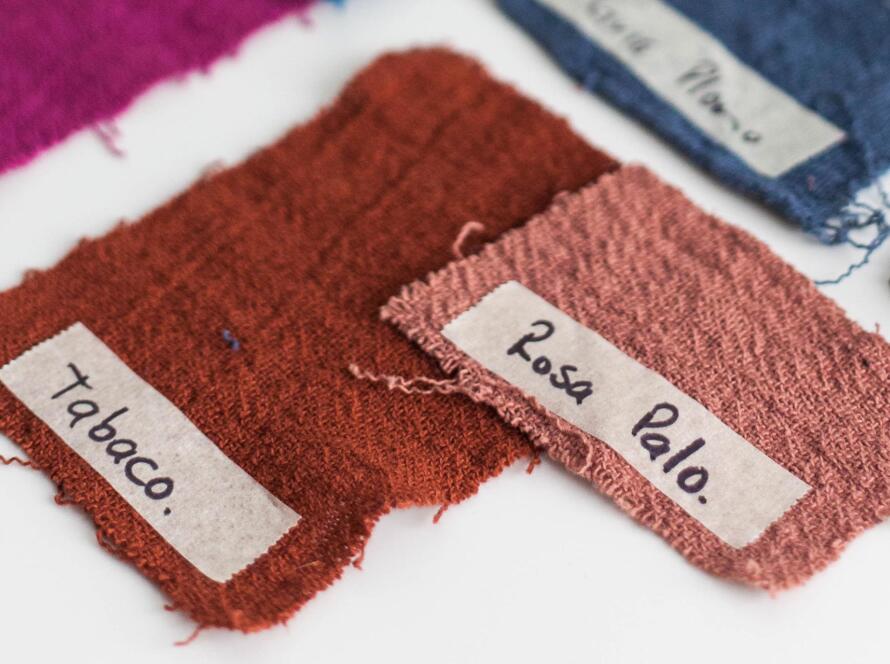
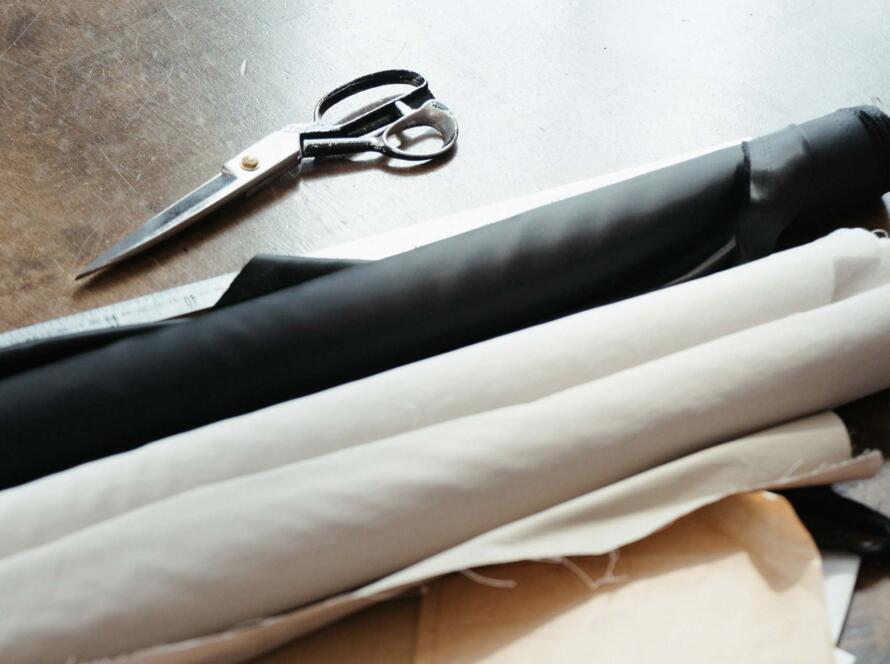
If you’re choosing fabric for a made-to-measure suit, bring the occasions you’ll actually wear it to in mind before you fall for a fabric on the bolt. The right weight and finish for a wedding suit worn twice a year is different from a suit you’ll wear to the office every week.