
Geometric print and pattern work is forgiving in a way florals and abstract prints aren’t. Because the repeat is predictable, it’s easier to plan cutting layout, match pattern lines at seams, and get a genuinely professional-looking result even on an early project.
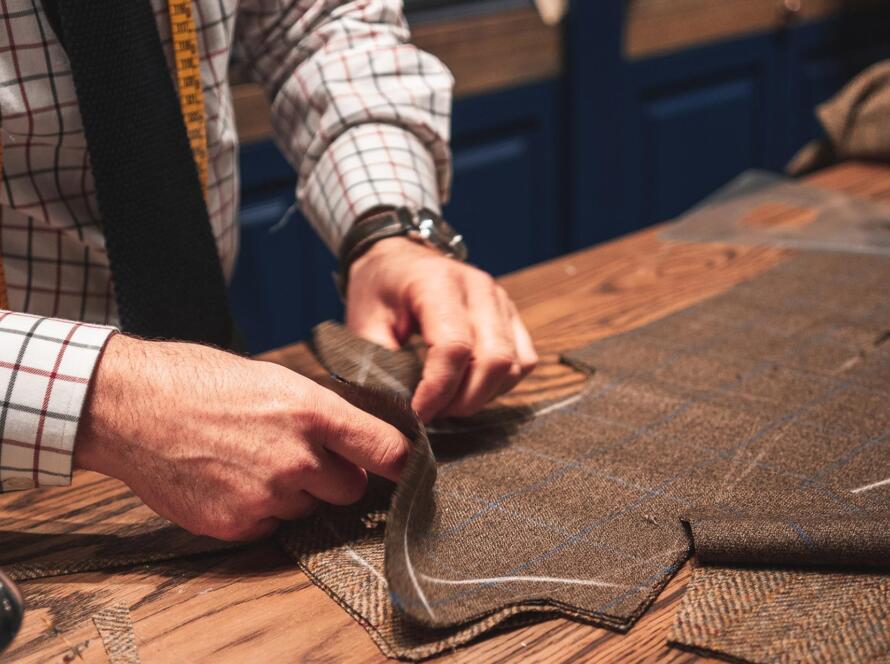
The main technical thing to plan for with any directional or repeating geometric print is pattern matching at seams, especially at centre front, centre back, and anywhere two pieces meet at a visible seam. This uses more fabric than a plain or random print: as a rough rule of thumb, budget at least 10–15% extra yardage for a geometric print with a large repeat, so you have room to shift the pattern pieces along the fabric until the lines line up.
For home décor, geometric fabric is particularly good for cushions and curtain panels because straight lines and grids read as clean and modern rather than busy, even in a small room, and they pair easily with plain-coloured furniture without a lot of colour-matching effort.
If you’re new to working with directional prints, cushion covers are the best low-risk place to practise matching a pattern at a seam, small enough that a mismatch is a cheap lesson, simple enough in shape that the geometry does most of the visual work for you.
Bring a photo of the space or garment you’re planning for when choosing a geometric fabric in-store. Scale matters more with geometric prints than almost any other pattern type, and what looks right on a large bolt can look completely different once it’s cut down to cushion or panel size.